

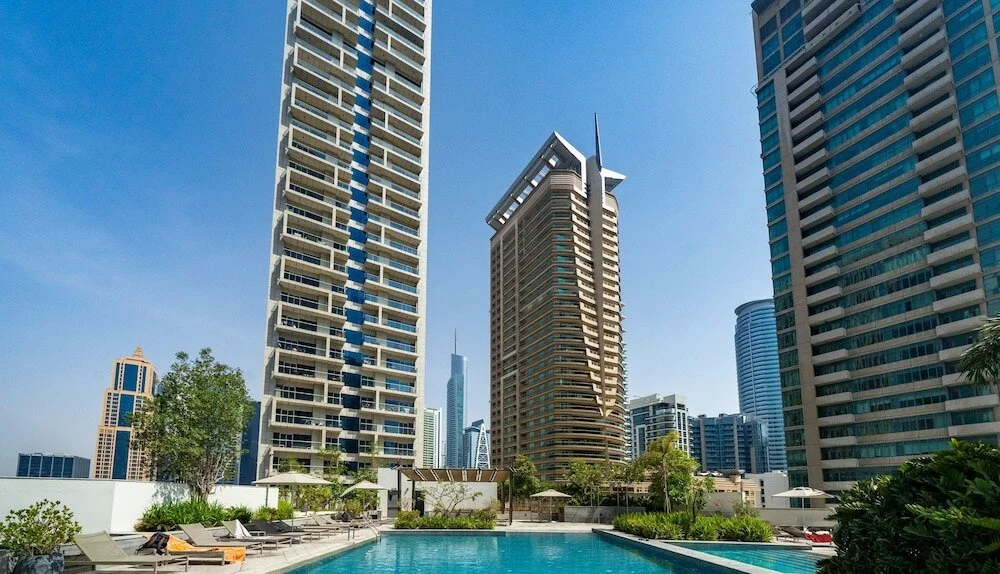
Dubai’s rental market is one of the most dynamic in the world. With millions of tourists visiting annually and a constantly growing expatriate population, investors have two primary rental strategies to choose from: short term rentals and long term rentals. Each approach offers distinct advantages and challenges, and selecting the right one depends on your income expectations, involvement level, and property location.
Understanding Short Term Rentals
Short term rentals typically refer to holiday homes or vacation rentals leased on a daily, weekly, or monthly basis. These properties cater to tourists, business travelers, and short-stay residents.
Dubai’s tourism sector continues to grow in 2026, driven by global events, business travel, luxury hospitality, and year-round attractions. Areas like Downtown Dubai, Dubai Marina, Palm Jumeirah, and JBR are especially popular for short term stays.
Owners of short term rentals must register their property with the appropriate authorities and obtain the required holiday home permits. Compliance is essential to operate legally.
Income Potential of Short Term Rentals
Short term rentals often generate higher gross income compared to long term leases, particularly during peak seasons. Nightly rates in prime areas can significantly exceed the monthly equivalent of annual rent.
However, occupancy rates fluctuate. High season may bring excellent returns, while slower months can reduce income. Revenue depends heavily on location, property quality, and marketing.
To maximize performance, many owners work with professional holiday home management companies. These companies handle bookings, cleaning, guest communication, and pricing strategy, but they charge management fees that reduce net profit.
Costs and Management Effort
Short term rentals require full furnishing, interior styling, regular cleaning, maintenance, and continuous guest turnover. Utility bills, internet, and service charges are typically covered by the owner.
This strategy is more hands-on compared to long term leasing. While management companies can handle operations, the cost must be factored into overall returns.
Understanding Long Term Rentals
Long term rentals involve leasing a property for one year or more under a regulated tenancy contract. This approach is common among residents and families relocating to Dubai for work.
Communities such as Jumeirah Village Circle, Dubai Hills Estate, Arabian Ranches, and Business Bay have strong long term rental demand due to schools, offices, and lifestyle amenities.
Long term rentals are governed by RERA regulations, which outline tenant rights, rent increases, and dispute resolution processes.
Income Stability of Long Term Rentals
The main benefit of long term leasing is predictable cash flow. Tenants typically pay rent through post-dated cheques, and contracts last for 12 months. This reduces vacancy risk and simplifies income planning.
Although annual rental yields may appear slightly lower compared to peak short term returns, income stability often appeals to investors seeking passive returns.
Maintenance and Operational Differences
Long term rentals involve less frequent tenant turnover. Once a tenant moves in, operational demands are relatively low. Maintenance responsibilities are generally limited to major repairs, while minor upkeep may fall under tenant responsibility depending on the agreement.
In contrast, short term rentals require ongoing attention, frequent cleaning, and constant guest management.
Which Strategy Is Better in 2026?
In 2026, both strategies remain profitable in Dubai, but suitability depends on investor goals. If your property is located in a prime tourist area and you are comfortable with active management or hiring a management firm, short term rentals can deliver higher returns.
If you prefer consistent income with minimal involvement, long term rentals offer stability and lower operational complexity.
Some investors even adopt a hybrid approach, switching between short term and long term leasing depending on market conditions and seasonality.
Final Thoughts
Dubai’s strong tourism industry and growing resident population ensure demand for both rental strategies. The right decision depends on your risk tolerance, desired involvement, and property location. With proper planning and compliance, both short term and long term rentals can provide attractive returns in Dubai’s thriving market.