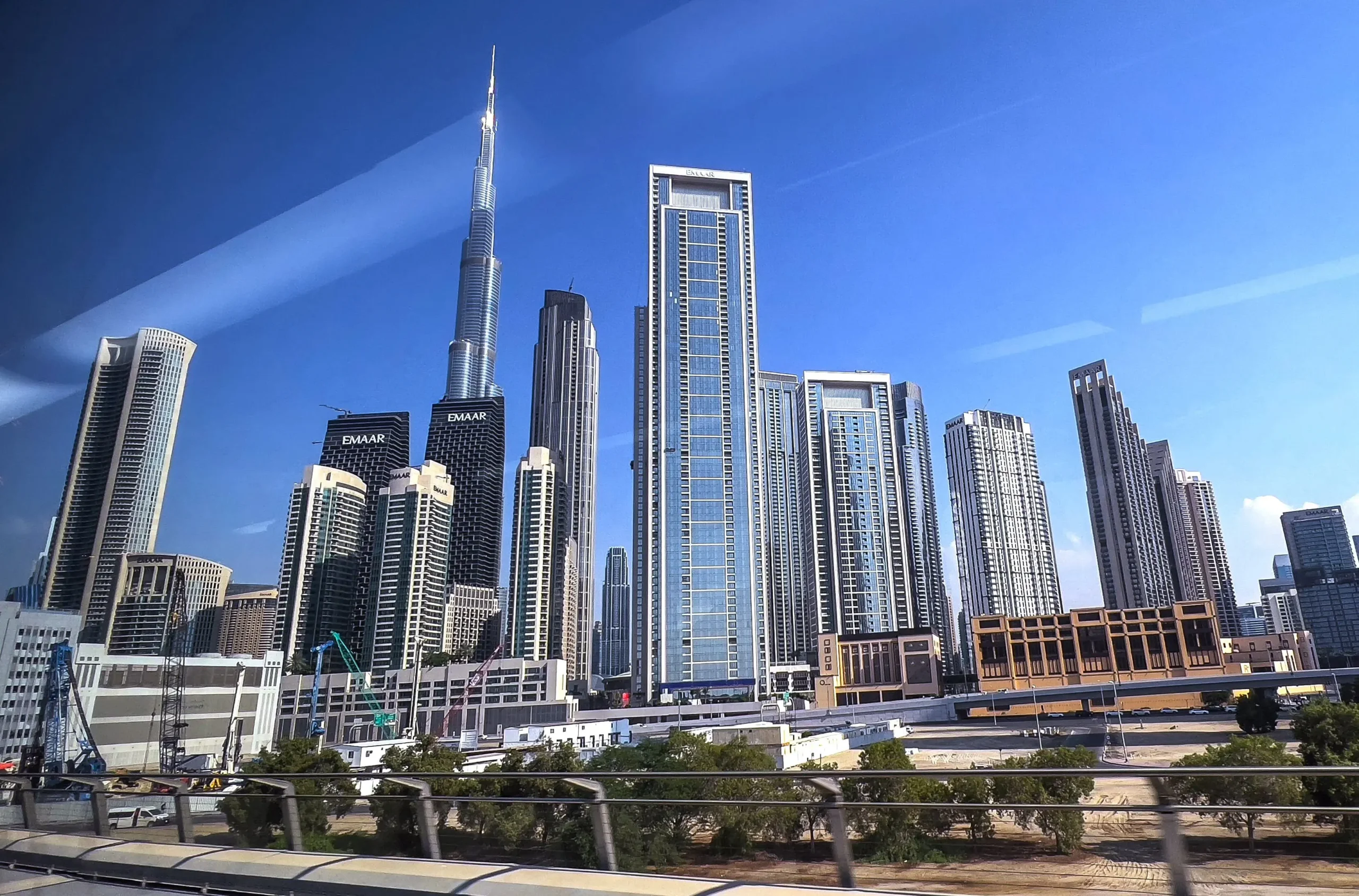


Dubai has become one of the most attractive real estate markets in the world. With its tax-friendly environment, high rental yields, world-class infrastructure, and strong regulatory framework, the city continues to draw investors and end users from across the globe. If you are a foreigner considering buying property in Dubai, understanding the process, regulations, and market dynamics is essential.
Can Foreigners Buy Property in Dubai?
Yes, foreigners can buy property in Dubai. Since 2002, the government has allowed non-UAE nationals to purchase property in designated freehold areas. These include popular communities such as Dubai Marina, Downtown Dubai, Palm Jumeirah, Business Bay, Jumeirah Village Circle, and many more.
In freehold areas, foreigners have full ownership rights over the property and the land. There are also leasehold areas, where ownership is granted for a fixed term, usually up to 99 years.
Types of Properties Available
Foreign buyers can choose from a wide range of property types including apartments, villas, townhouses, penthouses, and off-plan developments. Dubai’s real estate market caters to different budgets, from affordable studio apartments to ultra-luxury waterfront villas.
Off-plan properties, purchased directly from developers before completion, often come with attractive payment plans. Ready properties, on the other hand, are completed units that can generate rental income immediately.
Understanding Freehold Areas
Freehold zones are specifically designated areas where foreigners can buy property outright. These communities are often master-planned with schools, retail centers, healthcare facilities, and recreational spaces. When buying in a freehold area, you receive a title deed issued by the Dubai Land Department (DLD), confirming full ownership.
Before purchasing, it is important to verify that the property is indeed located in a freehold zone and that the developer or seller is registered with the appropriate authorities.
Financing Options for Foreign Buyers
Foreigners can obtain a mortgage in Dubai, although eligibility criteria differ from those for UAE residents. Typically, non-residents can borrow up to 50–60% of the property value, while residents may qualify for up to 80%.
Banks will assess income, credit history, and employment status. You will need documents such as passport copies, bank statements, proof of income, and sometimes a credit report from your home country.
If financing is not suitable, many buyers opt for cash purchases or structured payment plans offered by developers.
The Legal Framework and Regulation
Dubai’s property market is regulated by the Dubai Land Department and the Real Estate Regulatory Agency (RERA). These authorities ensure transparency and protect buyers through strict registration requirements and escrow account regulations.
For off-plan projects, developers must deposit buyer payments into escrow accounts that can only be used for construction of the specific project. This adds a layer of protection for investors.
Always ensure that your broker is RERA-licensed and that the property is properly registered.
Costs Involved in Buying Property
In addition to the property price, buyers should budget for additional costs. The main cost is the 4% Dubai Land Department transfer fee, payable upon registration. There may also be agency fees, mortgage registration fees, valuation fees, and service charges.
Service charges are annual fees paid to maintain the building or community facilities. These vary depending on the location and type of property.
Understanding these costs upfront helps avoid surprises and allows for better financial planning.
The Buying Process in Brief
The property buying process typically begins with selecting a property and agreeing on the price. Once terms are agreed, a Memorandum of Understanding (Form F) is signed and a deposit, usually 10%, is paid.
For ready properties, the transfer takes place at the Dubai Land Department or a trustee office. After paying the balance and associated fees, the title deed is issued in your name.
For off-plan properties, you sign a Sales Purchase Agreement (SPA) with the developer and follow the agreed payment schedule until handover.
Residency Through Property Investment
Dubai offers residency visas linked to property ownership. Investors who purchase property above a certain value may qualify for a renewable residency visa. The requirements may vary, but this option is particularly appealing for buyers who wish to live in the UAE or spend extended periods in the country.
It is advisable to consult with a legal or visa specialist to understand current thresholds and eligibility.
Key Considerations Before Buying
Location remains the most important factor in Dubai real estate. Consider proximity to business districts, schools, public transport, and lifestyle amenities. Research the developer’s track record and past projects to assess quality and reliability.
Market trends also matter. Rental yields in Dubai are among the highest globally, but they vary by community. If your goal is investment, evaluate rental demand and potential capital appreciation.
Final Thoughts
Buying property in Dubai as a foreigner is straightforward when approached correctly. The city offers transparency, strong legal protection, and diverse investment opportunities. Whether you are seeking a holiday home, a rental investment, or a permanent residence, Dubai’s real estate market provides options for nearly every profile.
With proper research, professional guidance, and a clear understanding of costs and regulations, owning property in Dubai can be both rewarding and financially advantageous.